Contact Info



Child Club Formation & Activities
Children’s clubs have emerged as an important new kind of institution in Nepal over the past decade. They appear to be both an expression of and a promise for the advancement of democracy and children’s rights. This report summarizes the process used to evaluate the development and current state of functioning of the child club that has been supported by Child Welfare Nepal.
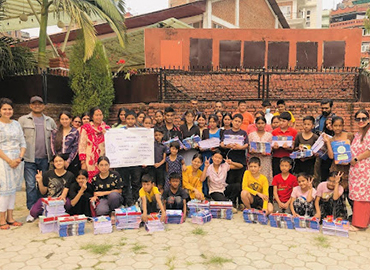
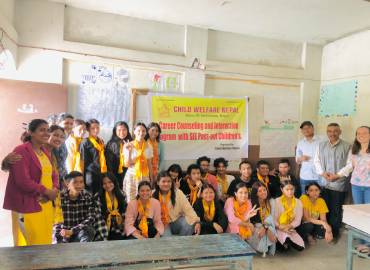
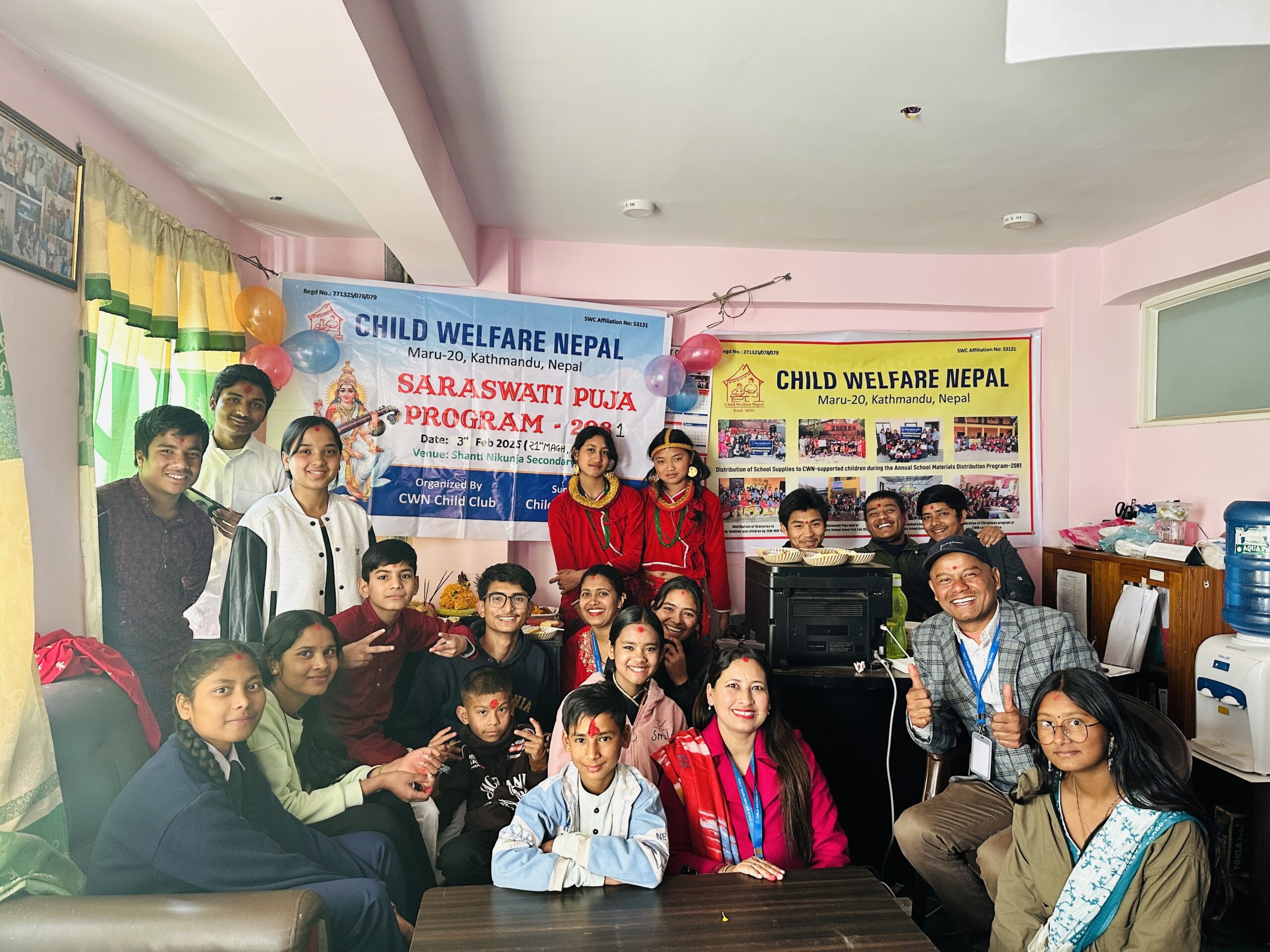
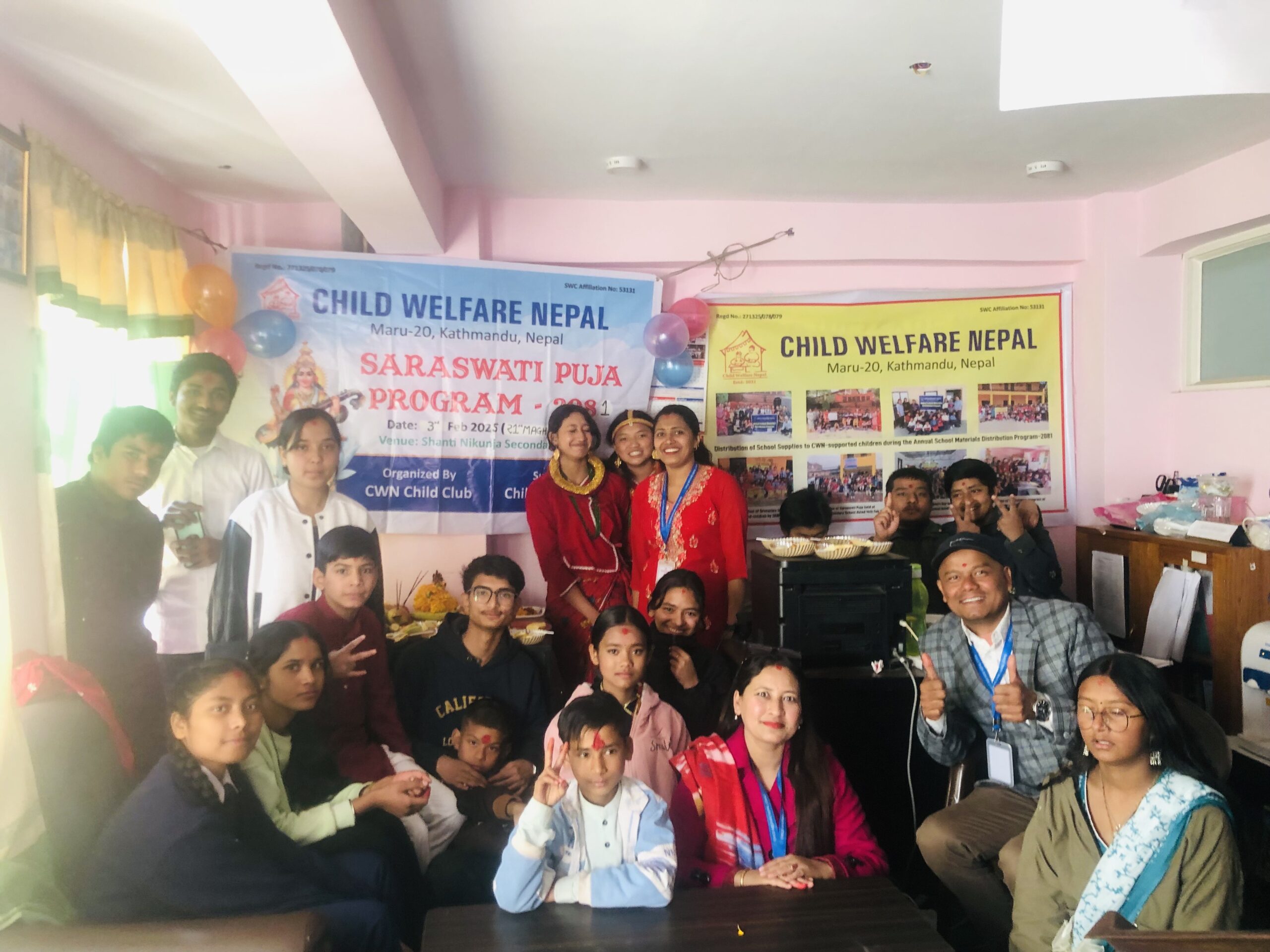
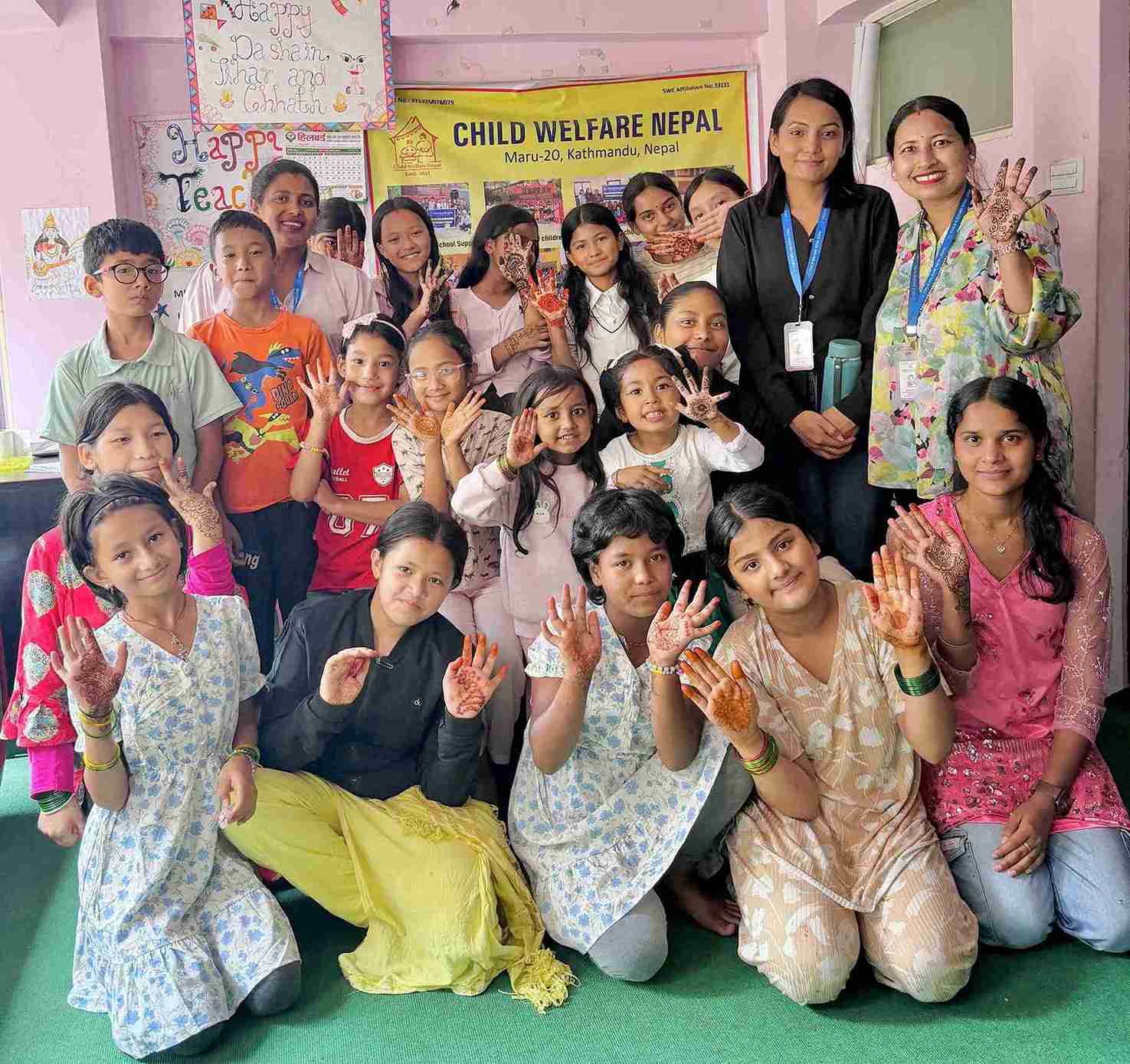
CWN has formed a child club with the active participation of 25 children. The selected 25 children for the child club have their own President, Vice President, Secretary, Joint Secretary, and Treasurer, and active general members. The goal of having a child club in NGO and INGOs has proven to raise awareness about children’s rights and welfare, enhance leadership skills, and ensure children’s participation in the NGO/INGO, Development Sector, School, and Community through various activities.
The child club will play a major role in the activities such as Sports, WASH (Water, Sanitation and Hygiene), Dance, Music, Quiz, Art and Crafts, and other programs designed for the child club. Meetings form the core of club activities. Most clubs meet every month, and some bi-monthly. Most of the meeting time, of one to two hours, involves taking attendance, collecting fees, sharing the club’s financial situation, going through the agenda, and making decisions.
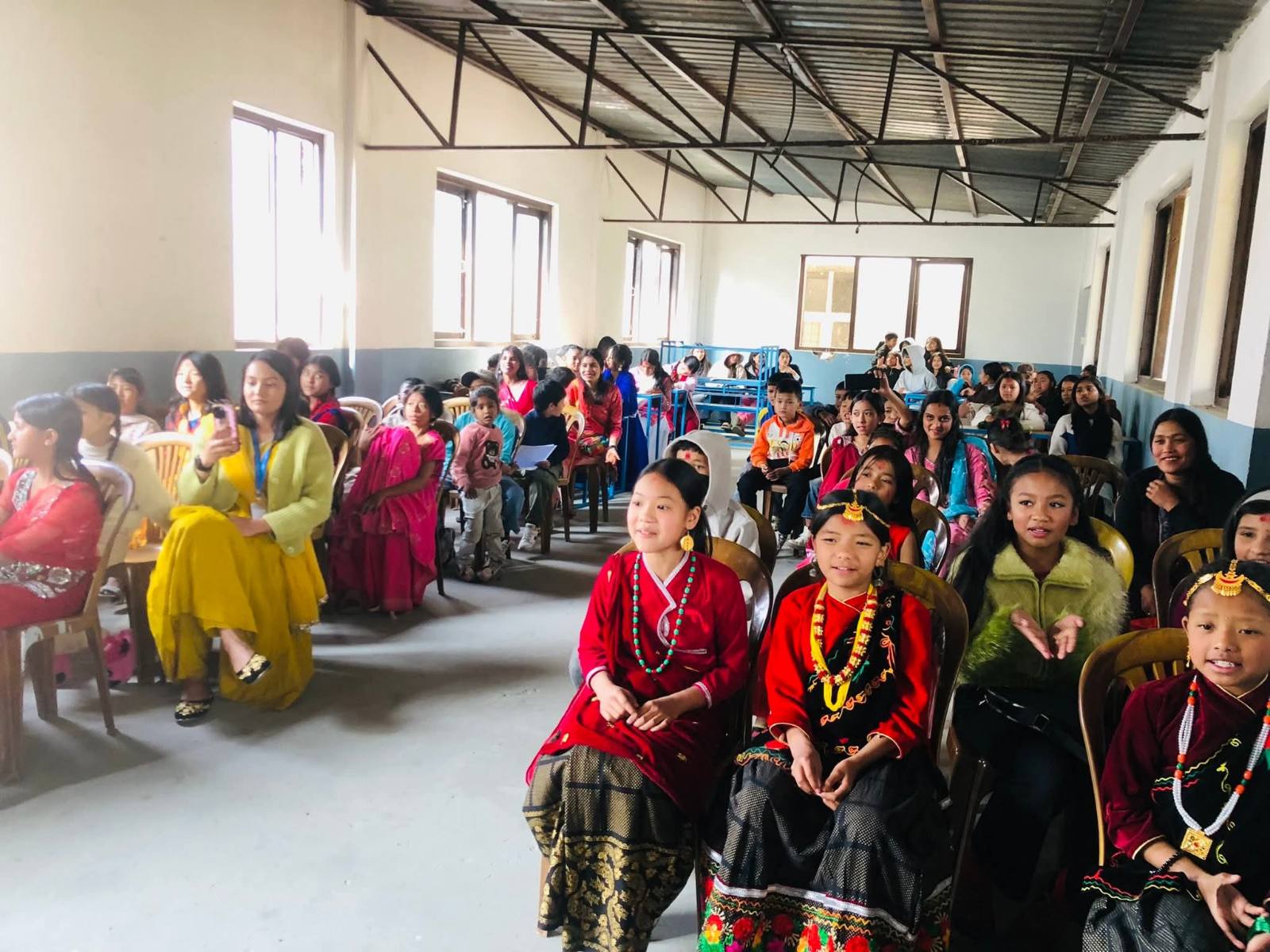
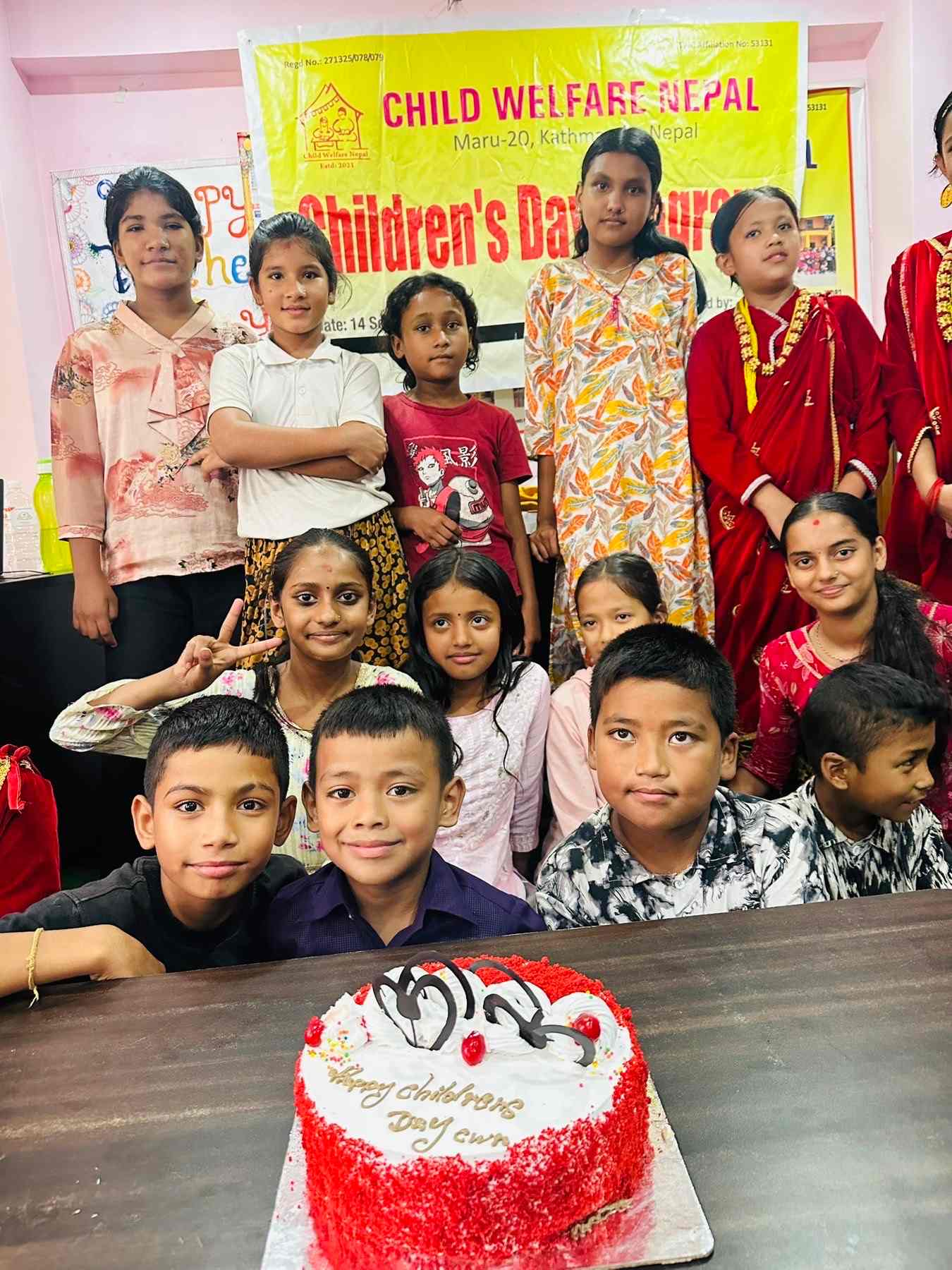
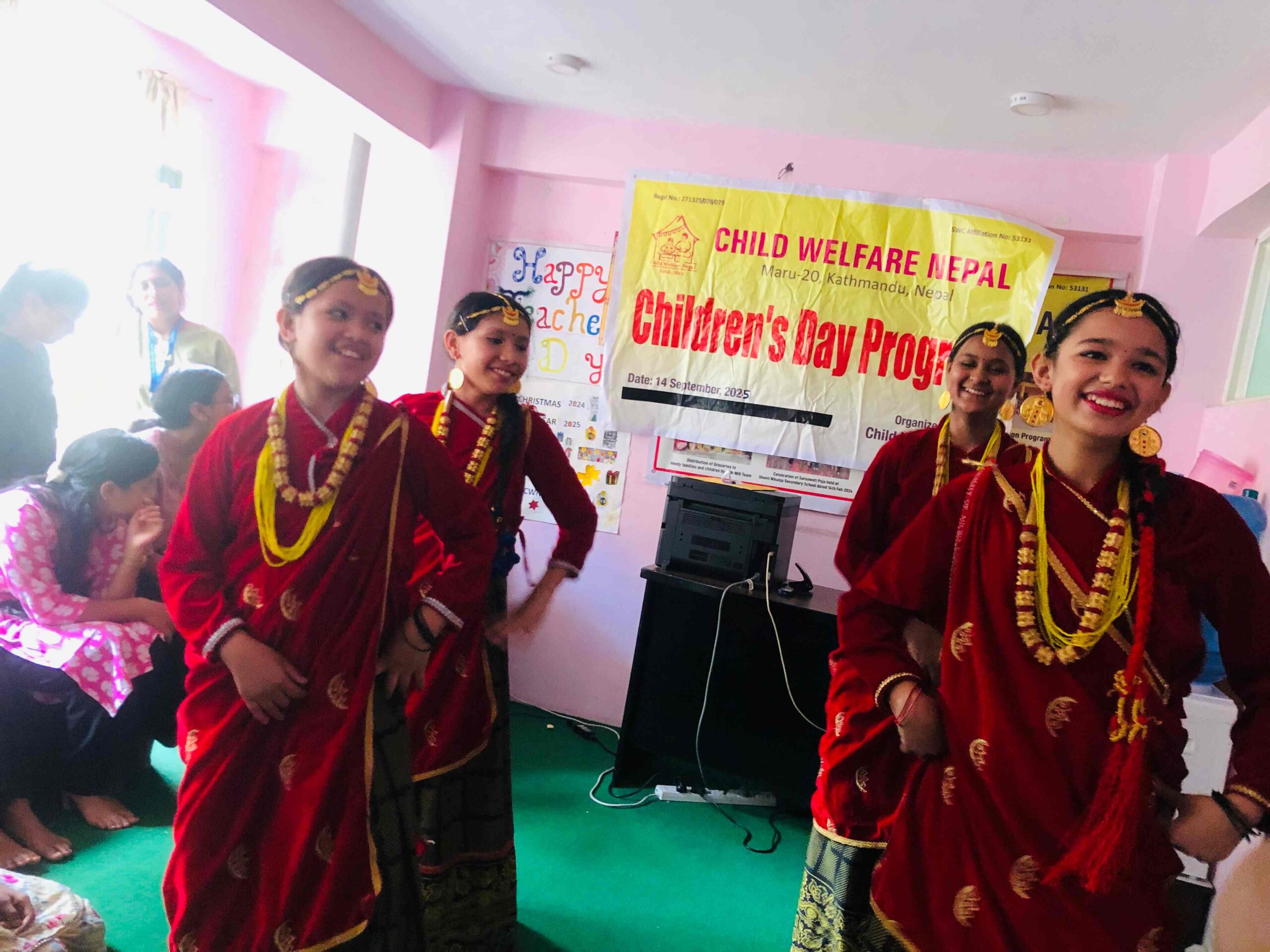
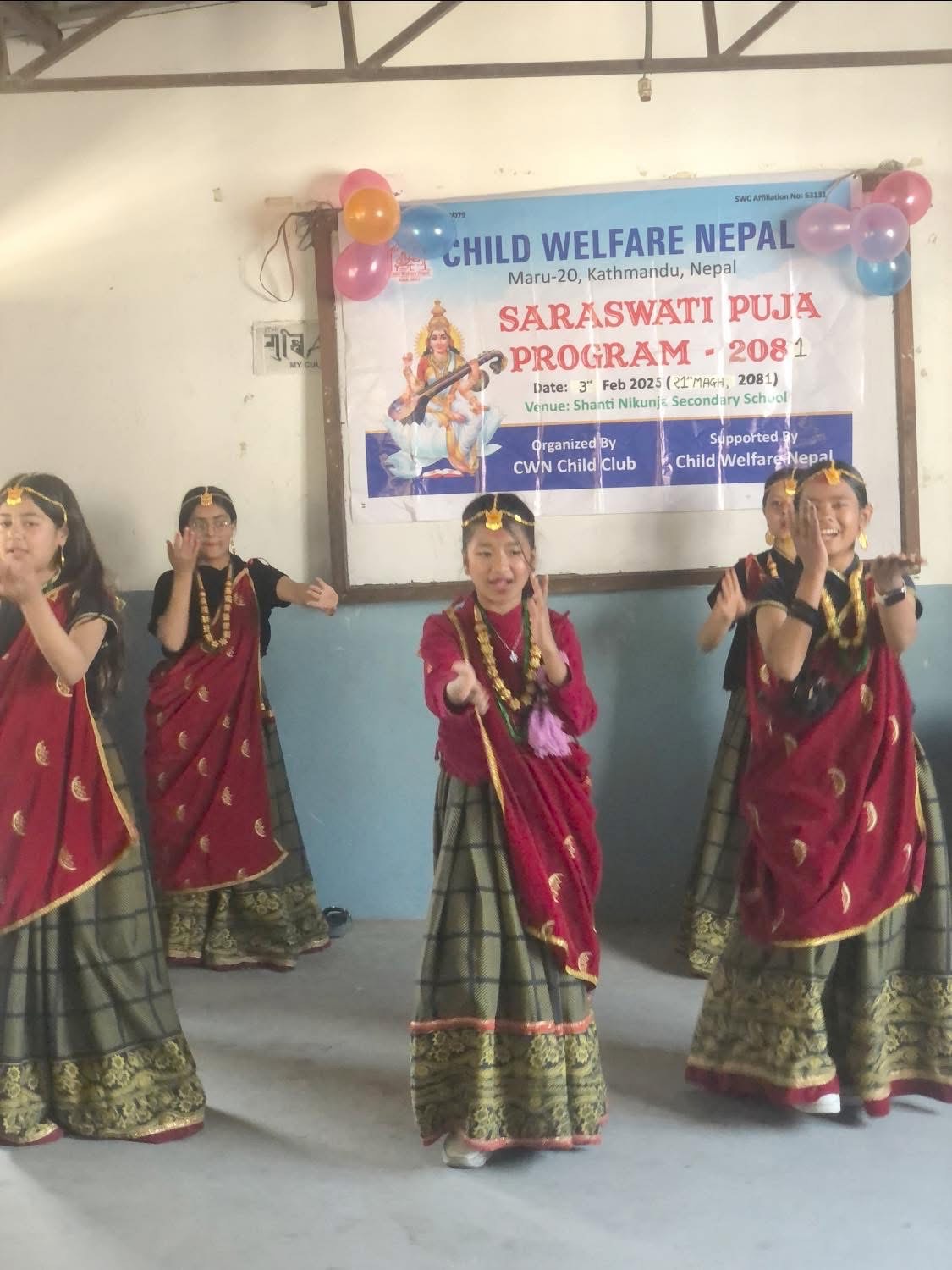
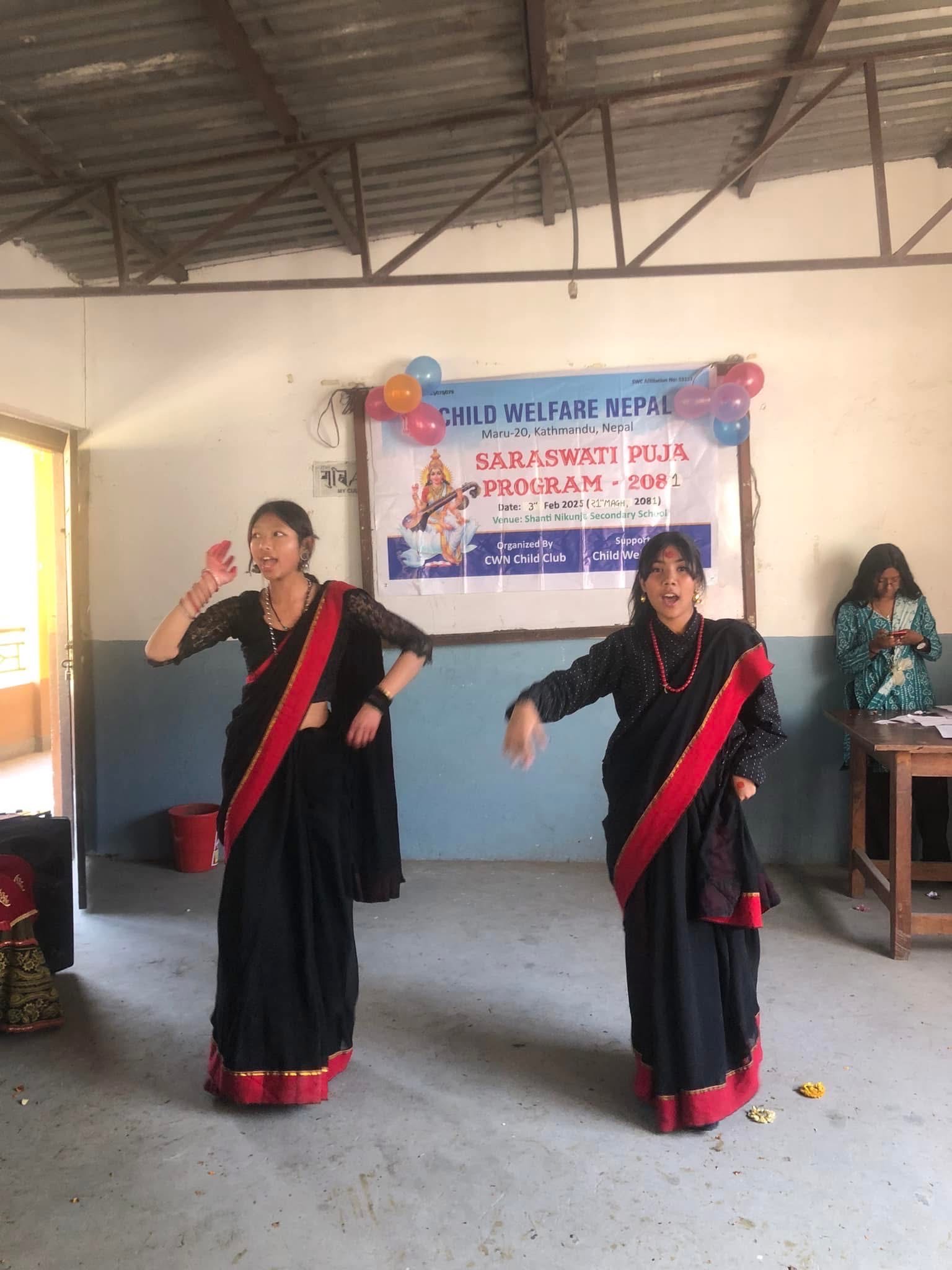
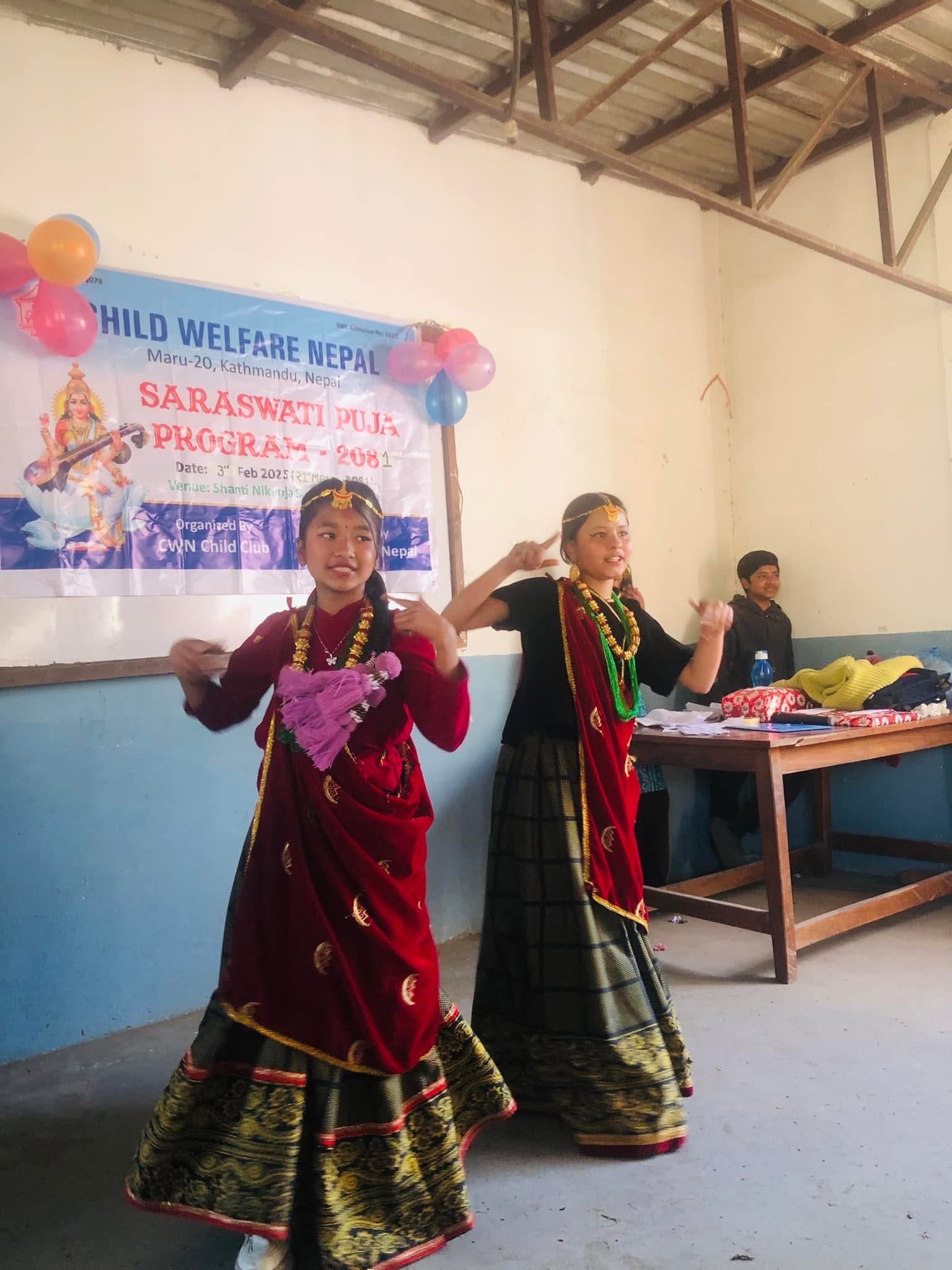
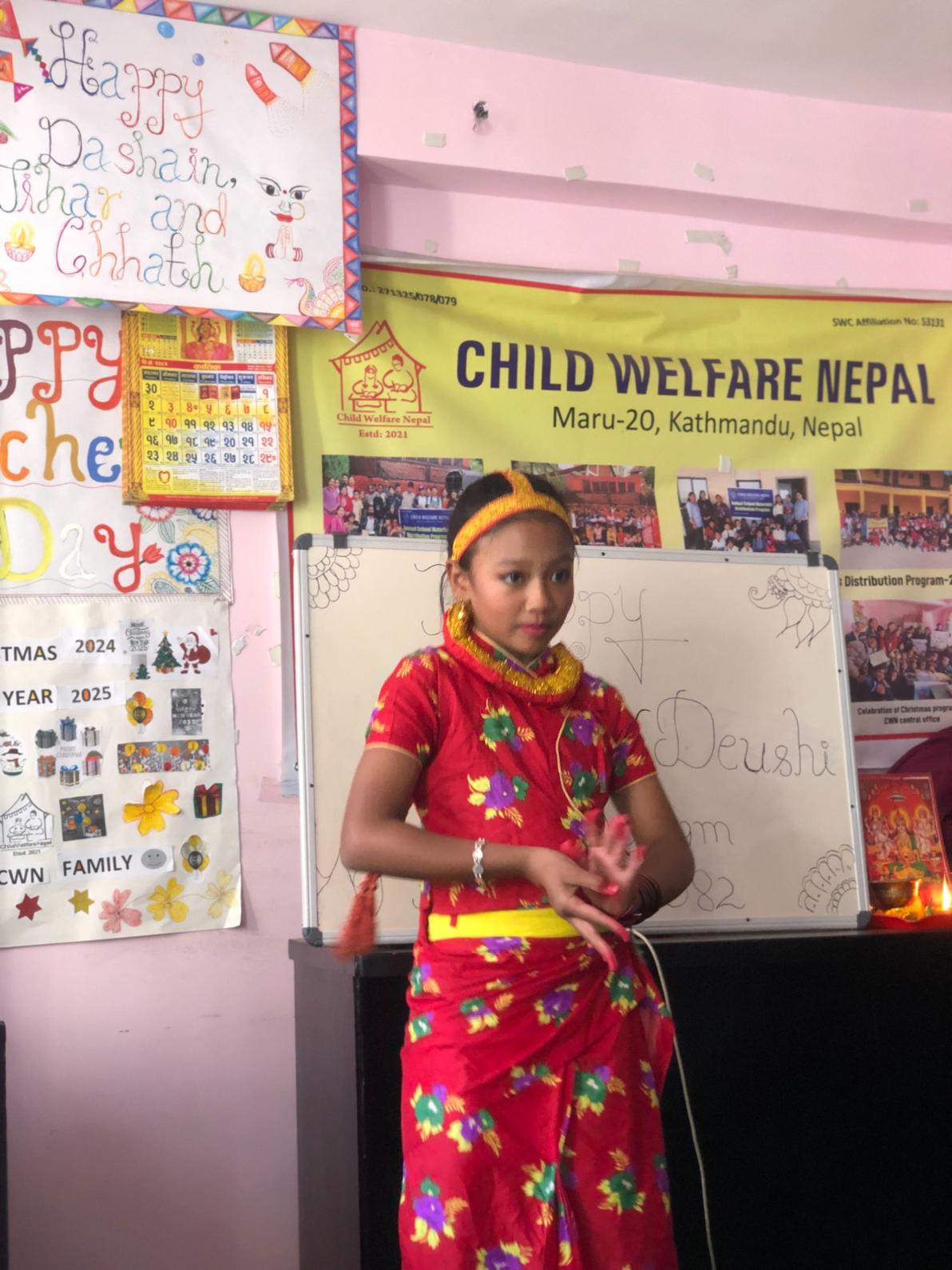
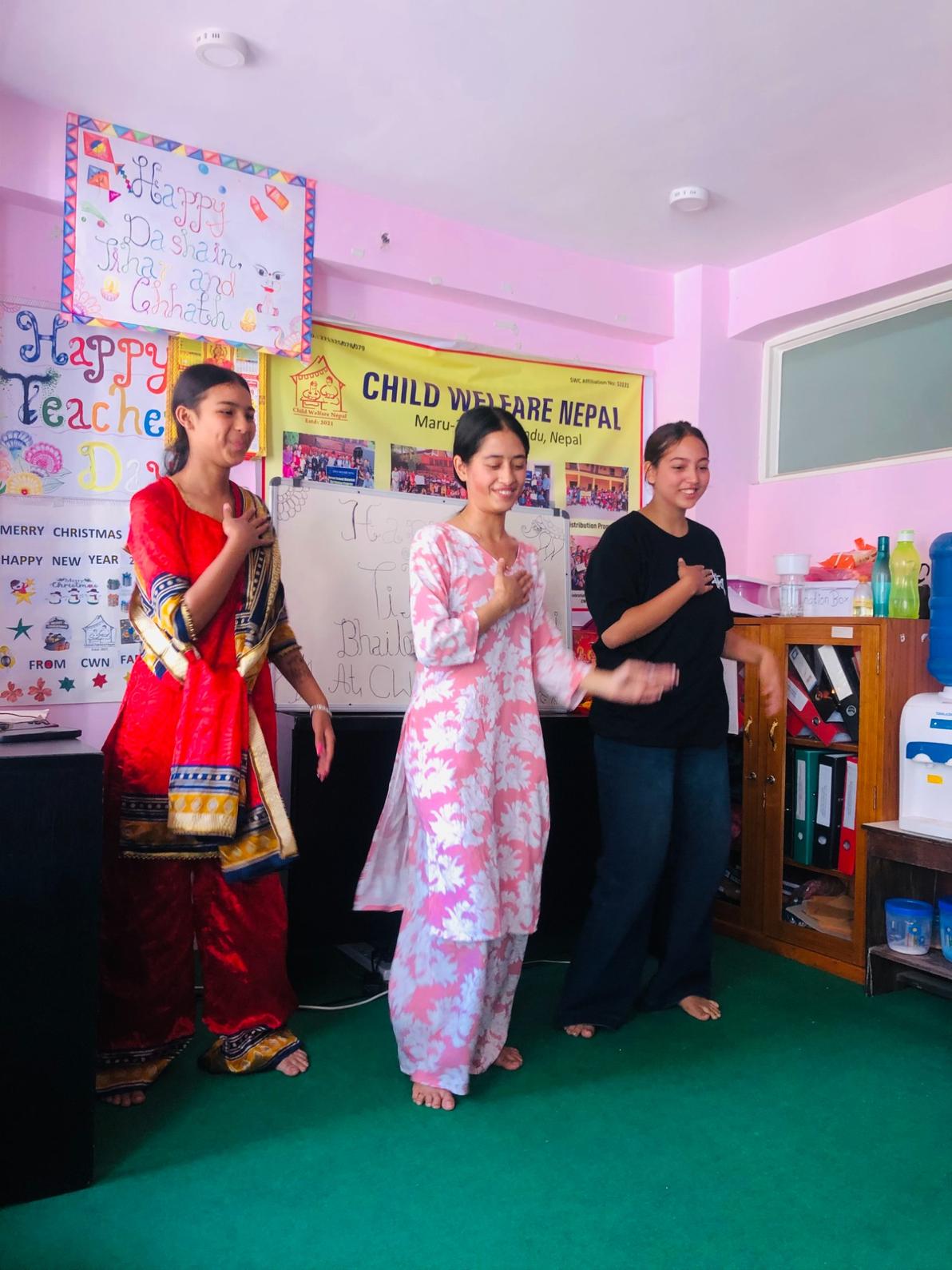
There is a set of activities that almost all clubs engage in: dancing, singing, theatre, development work, play, recreation, sports, and national rallies like Children’s Day. The main motto of this child is “discussions”, “meet and make friends”, “share information”, “make decisions together”, and “work together”. This activity reveals how socially important the clubs are to children. The children also described that they have the chance to participate in celebrations and events such as rallies, contribute to community development, express themselves culturally and artistically, and play.
Events Participation
The children will play a major role in the participation in the events listed below.
- International Children’s Day
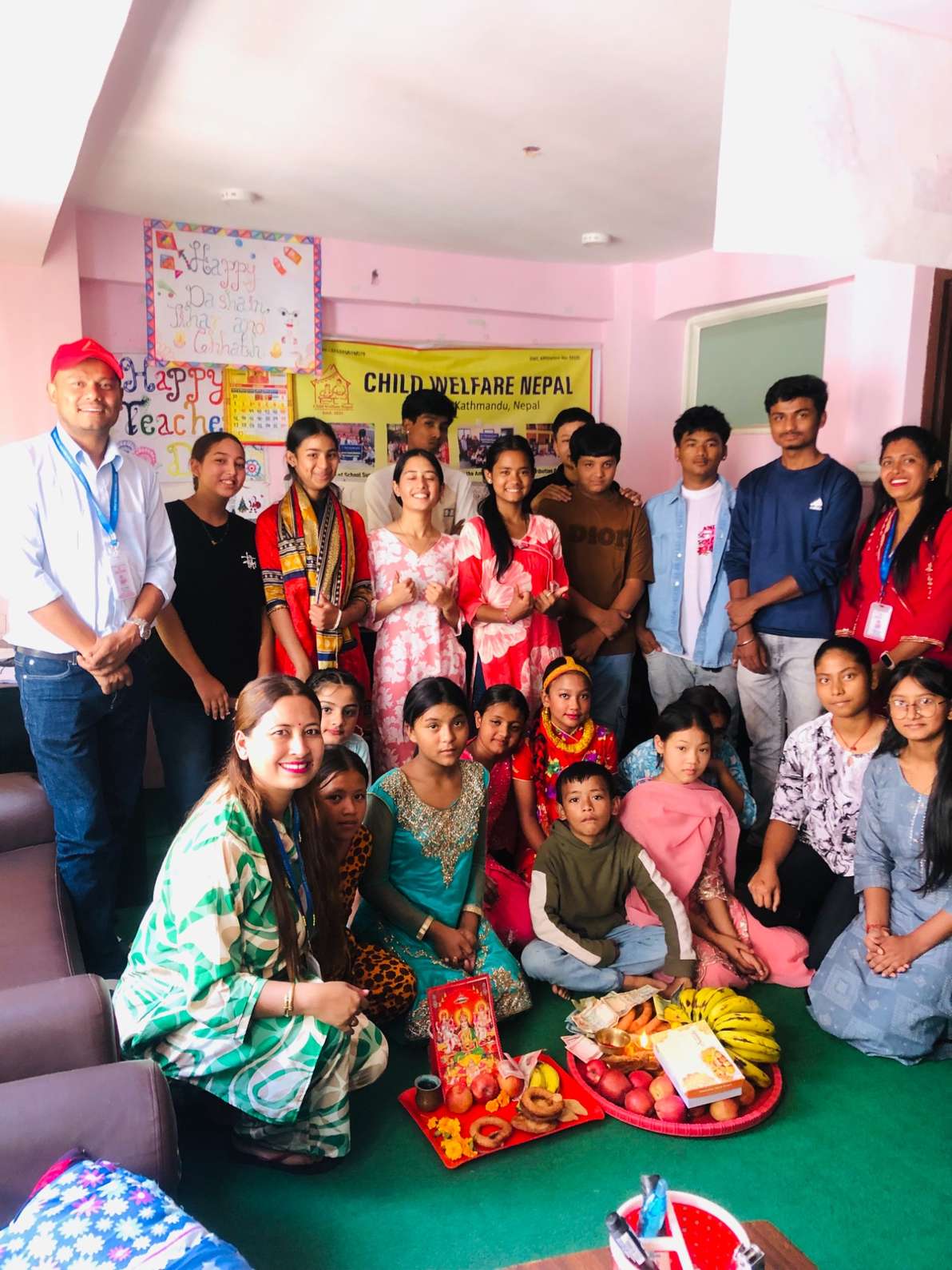
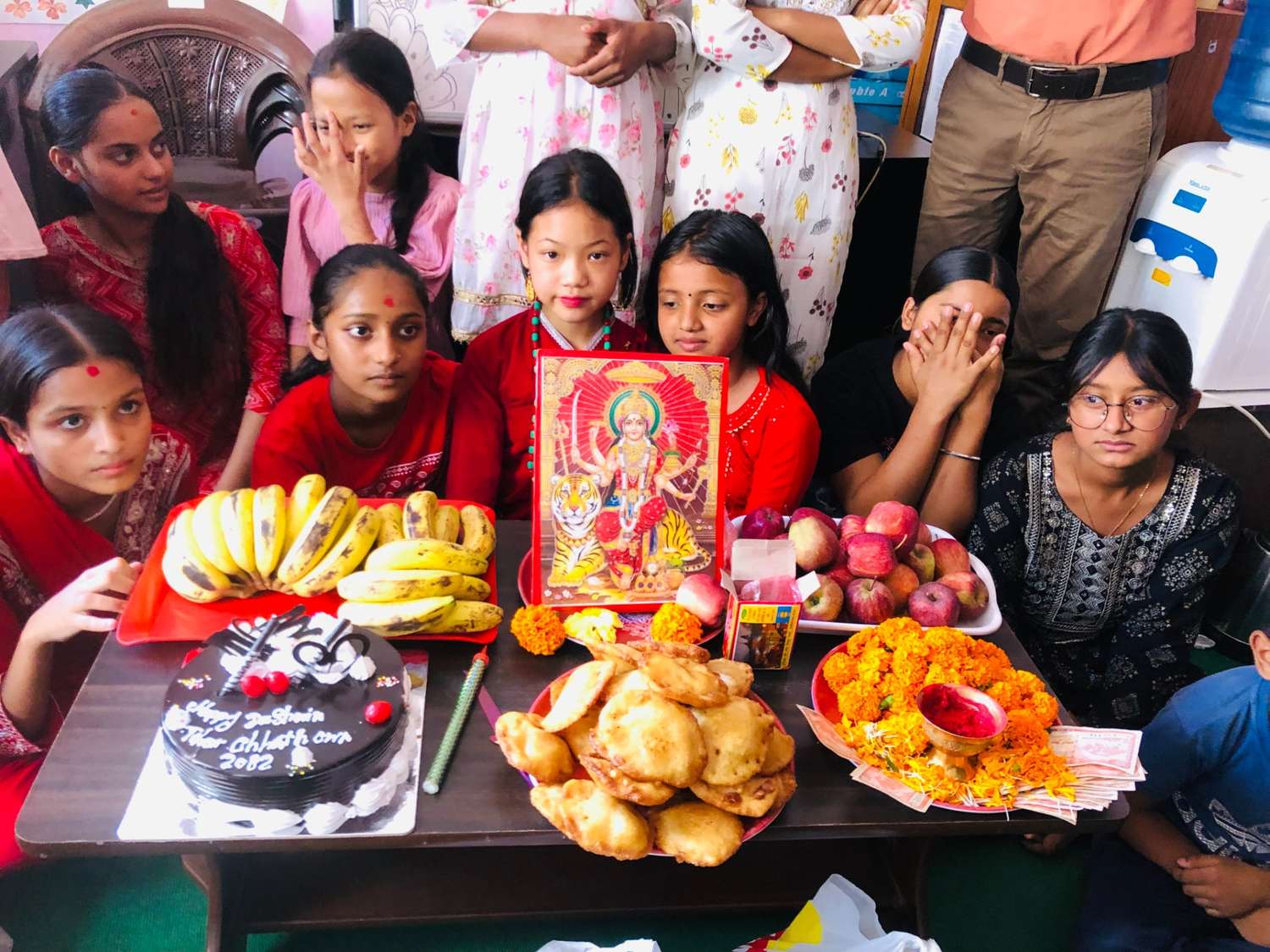
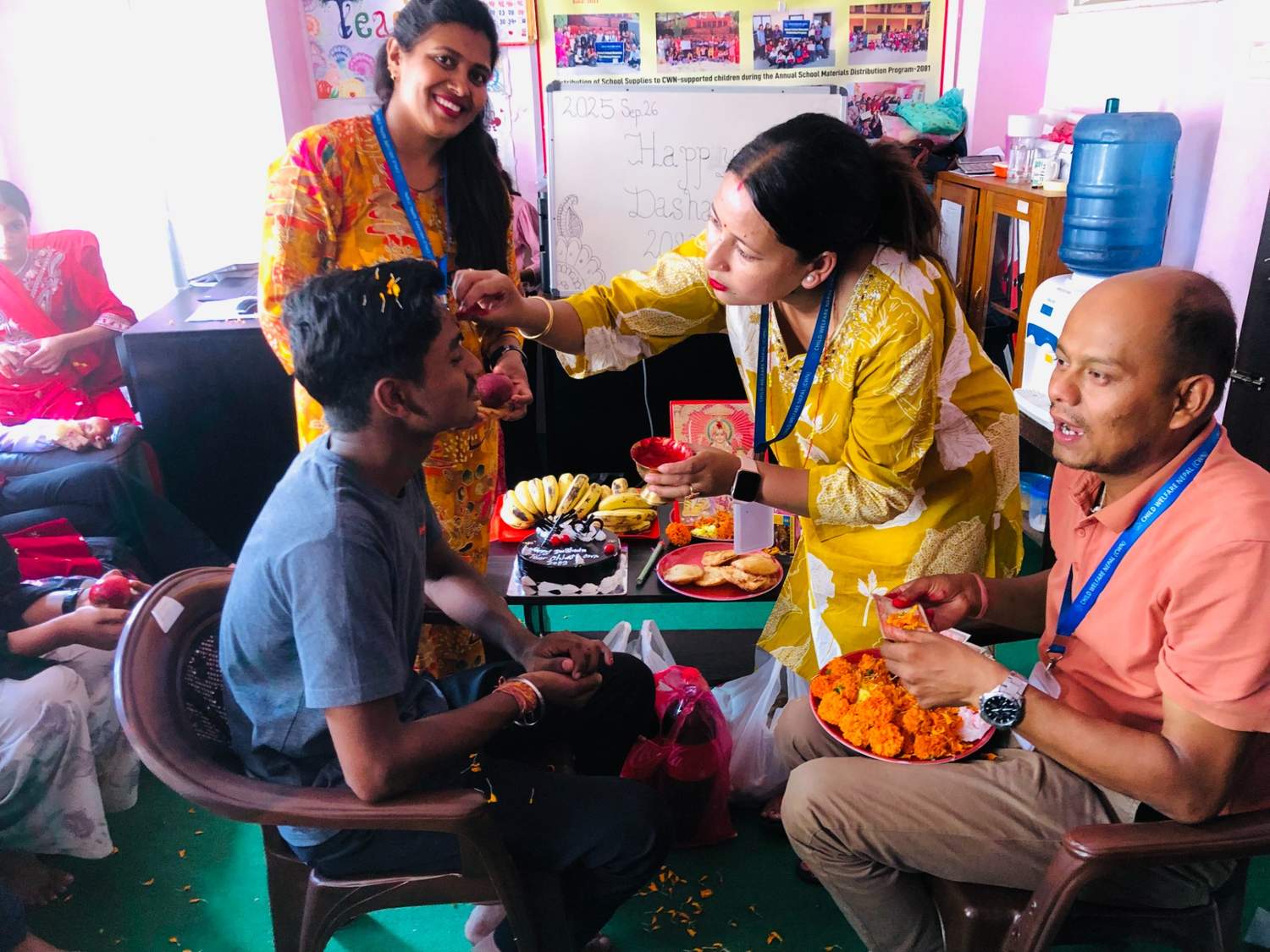
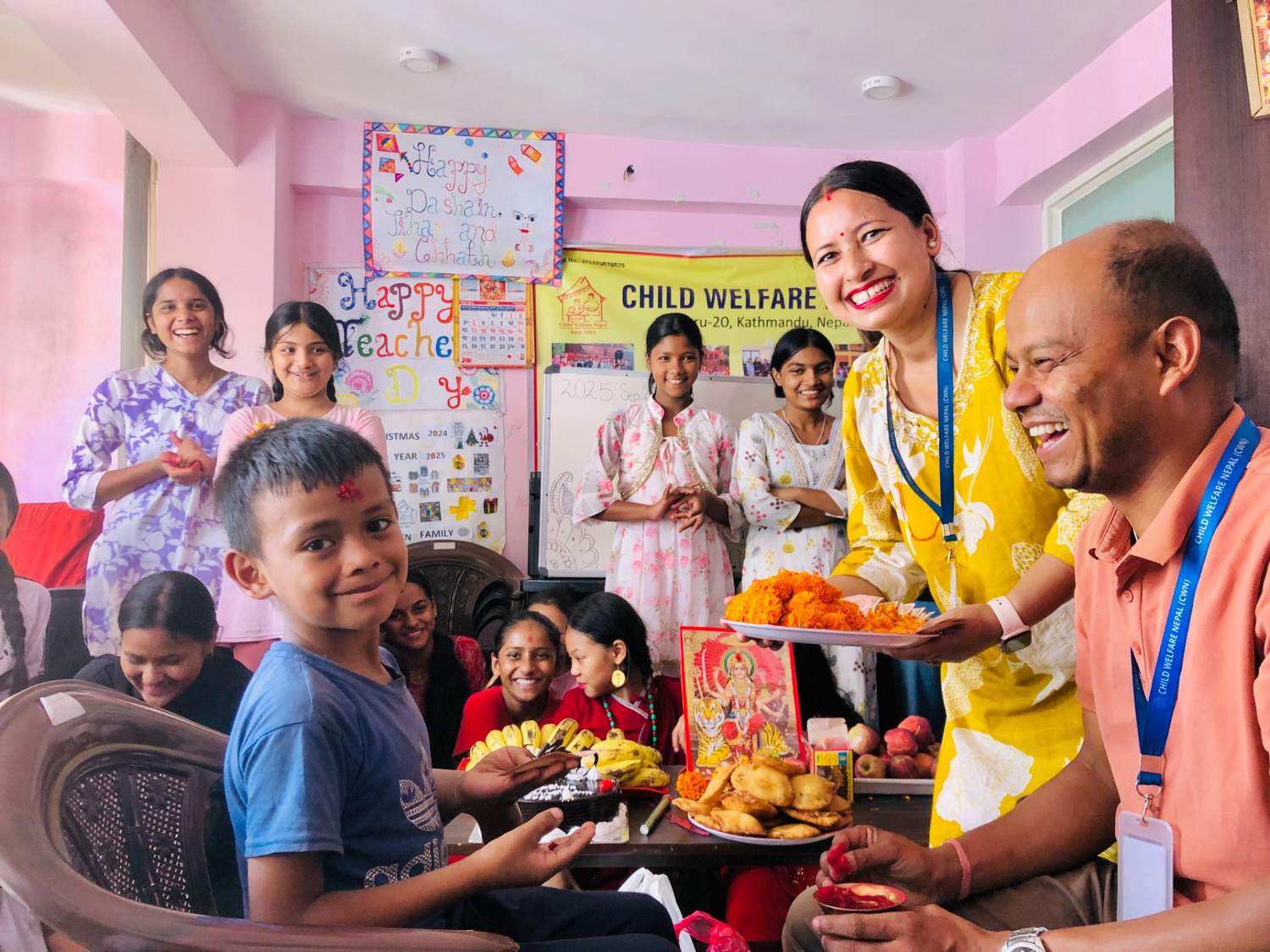
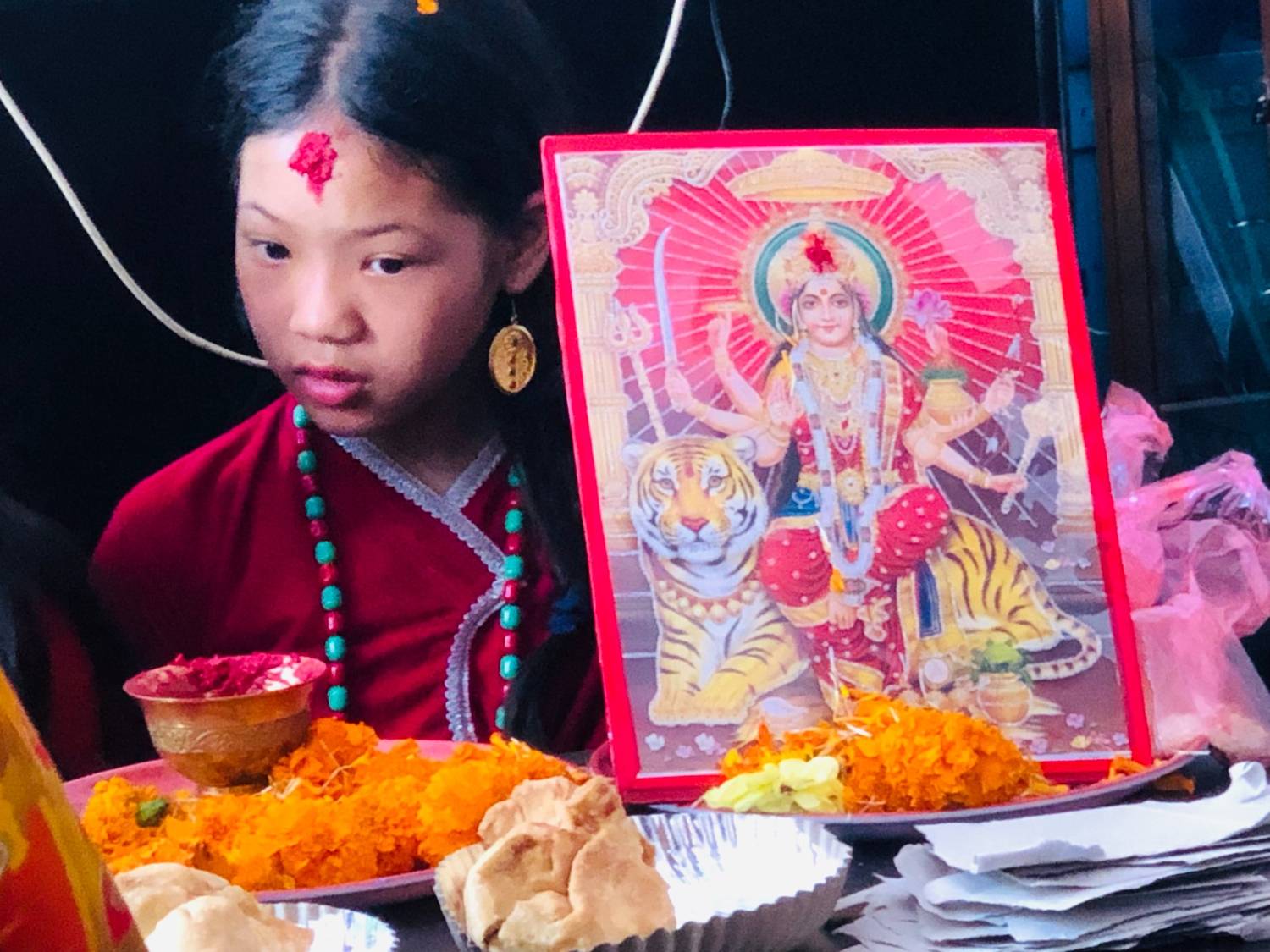
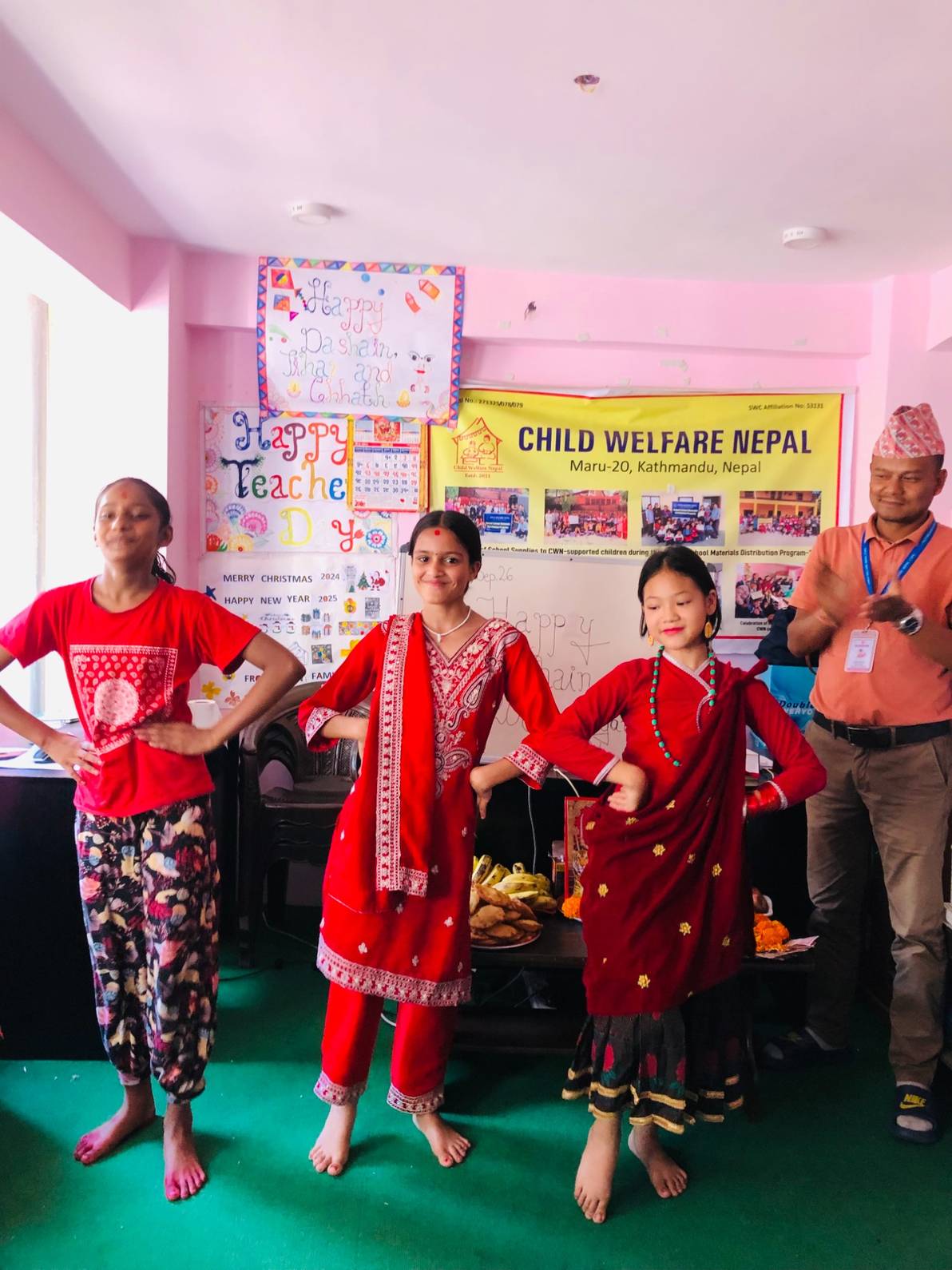
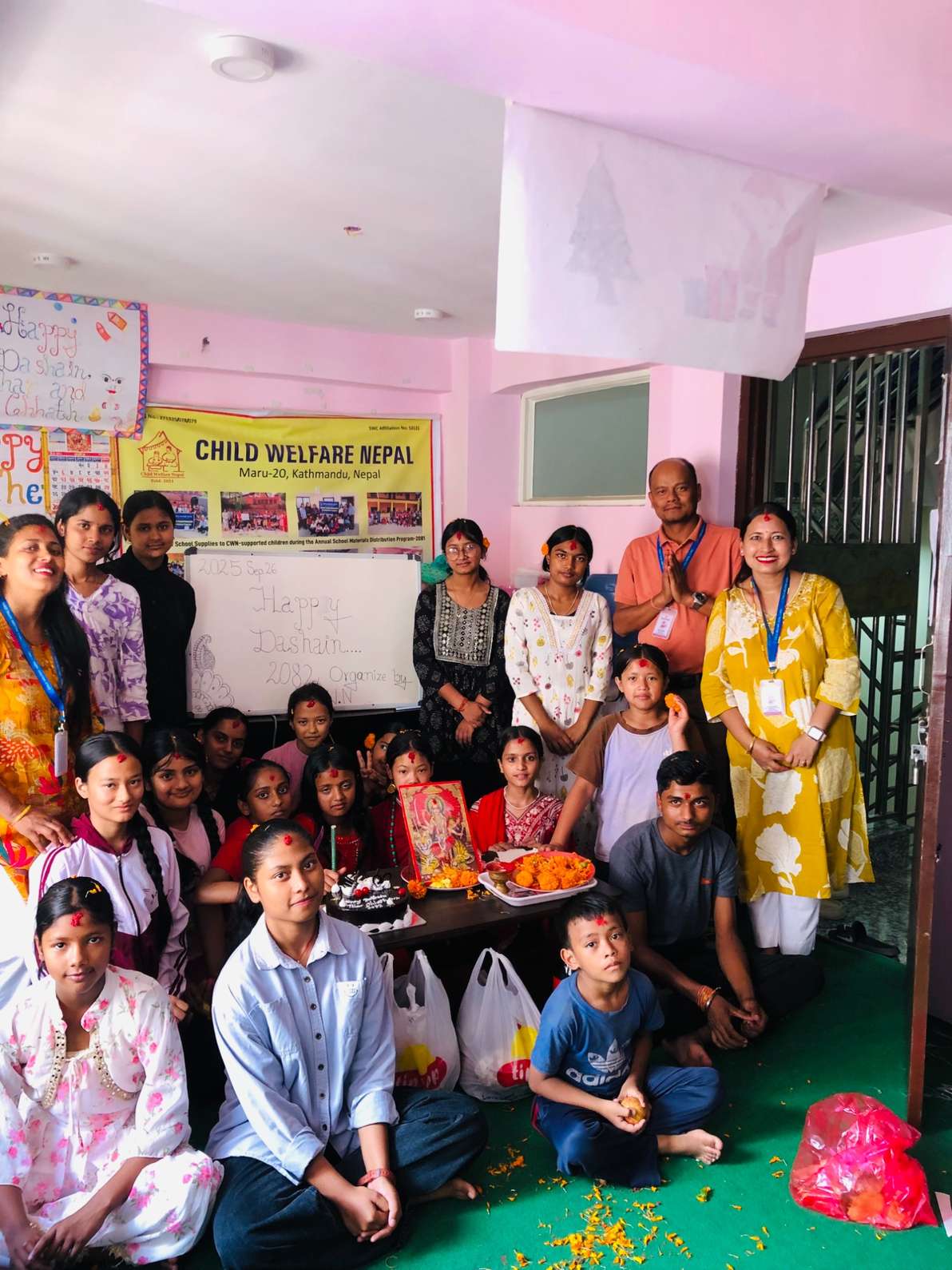
- Dashain/Tihar Cultural Exchange Program
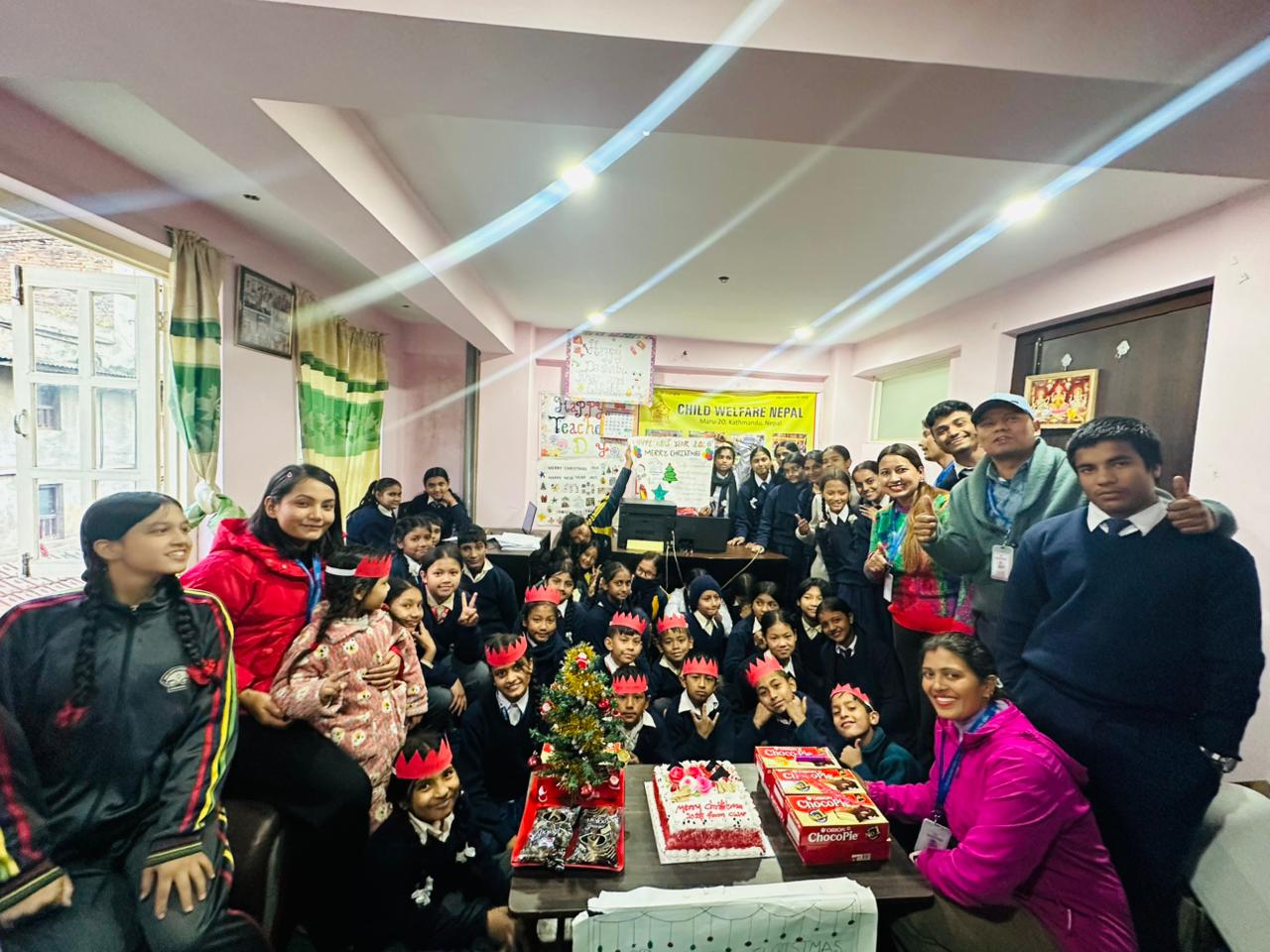
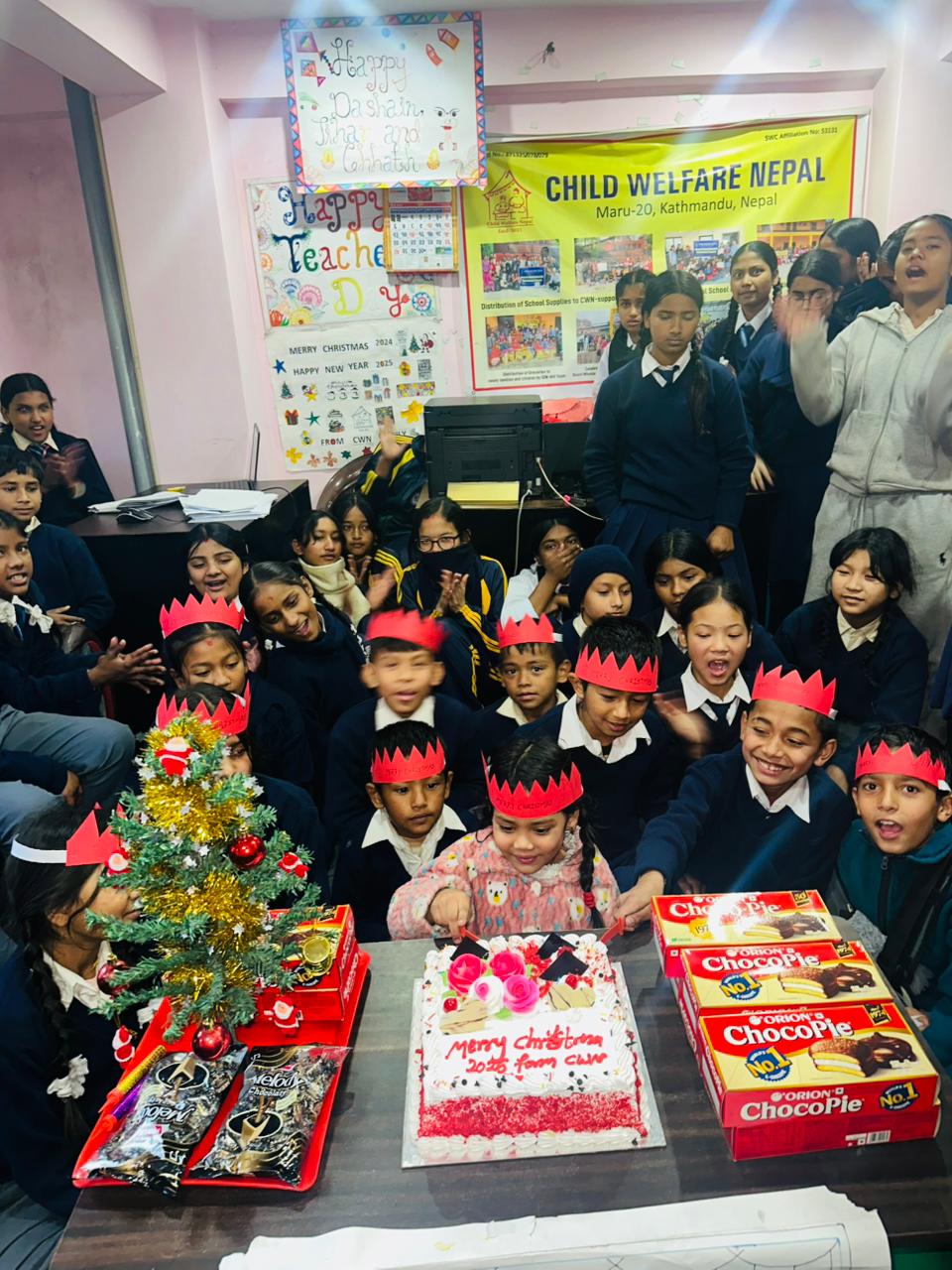
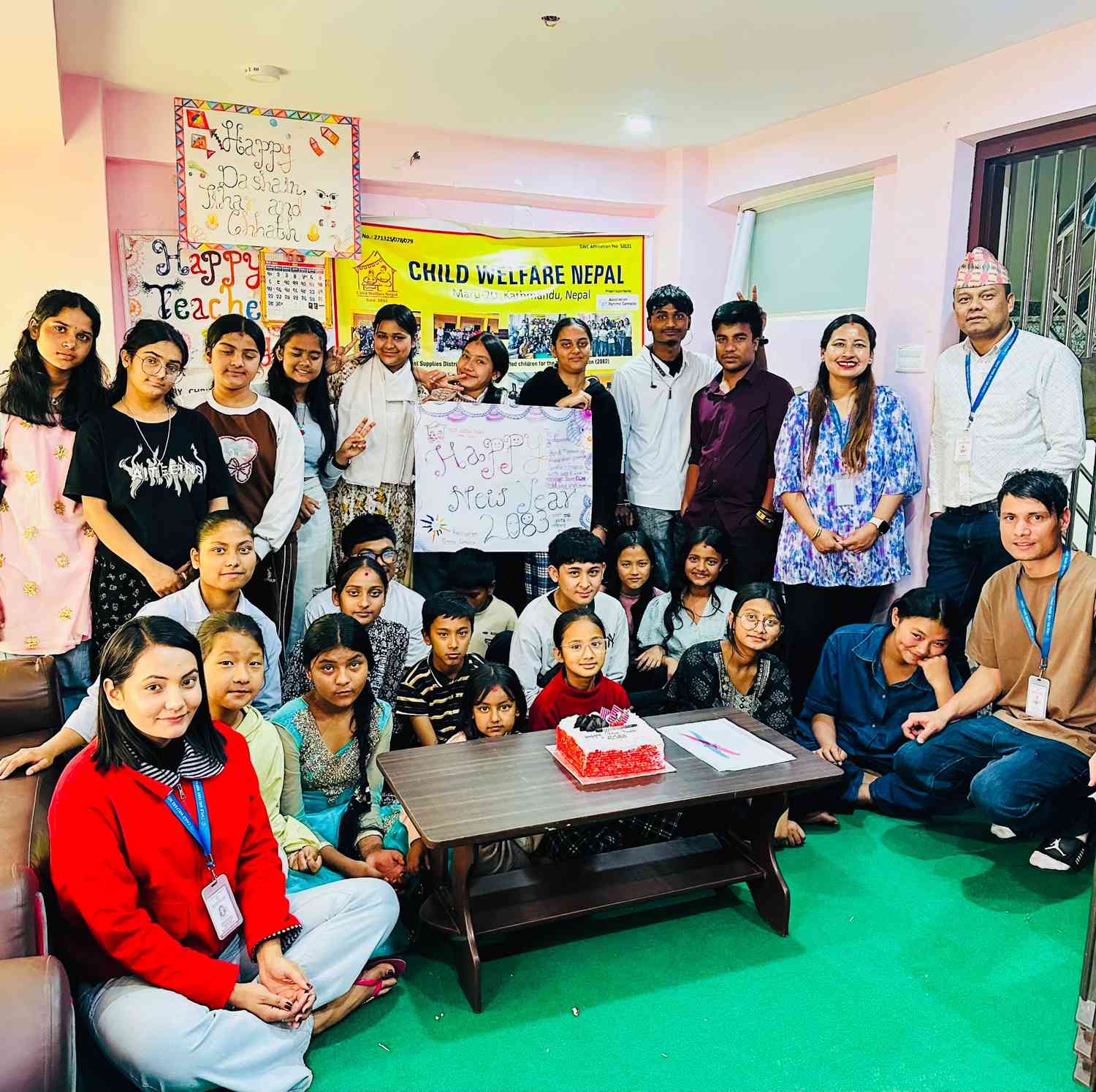
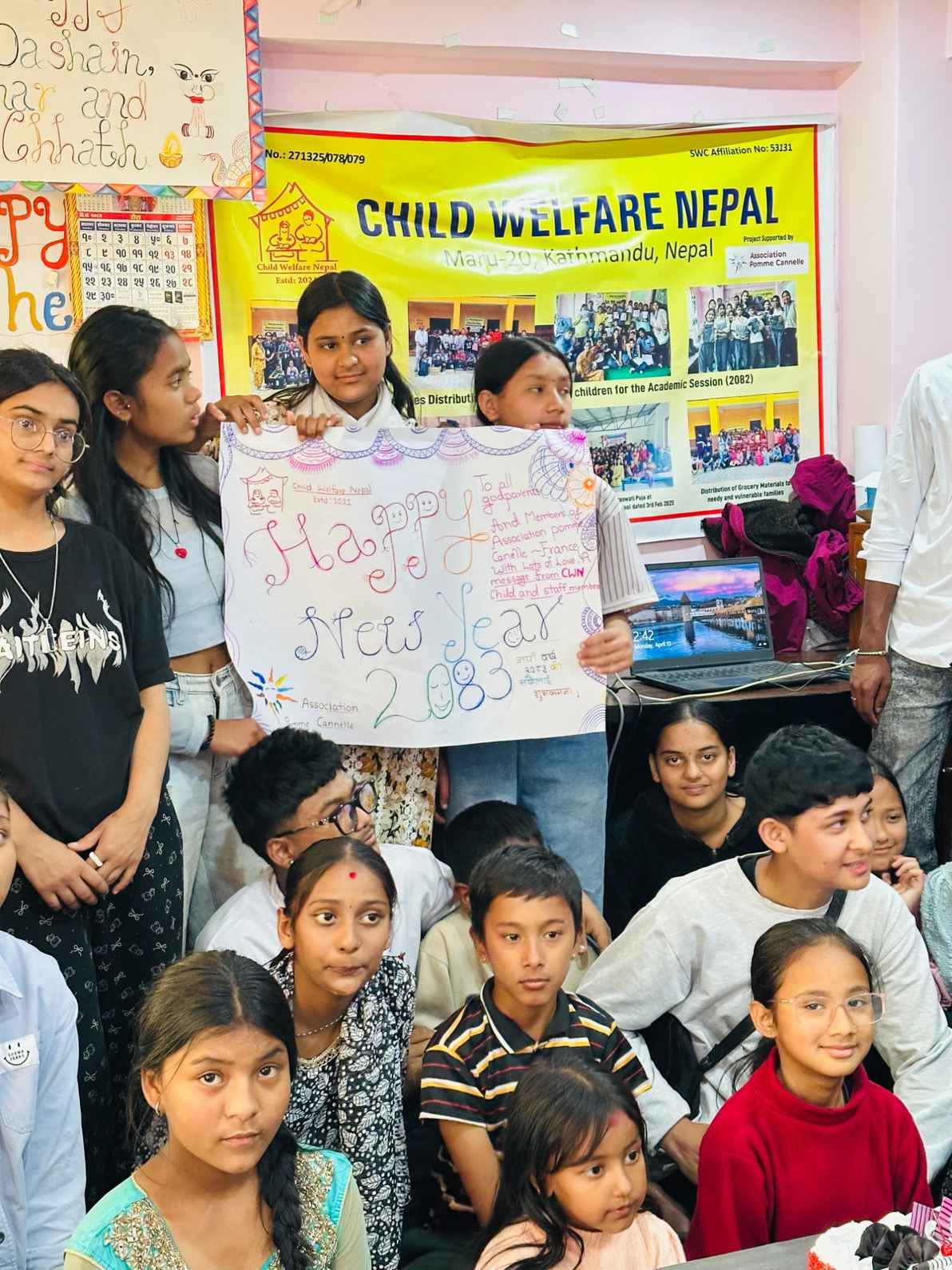
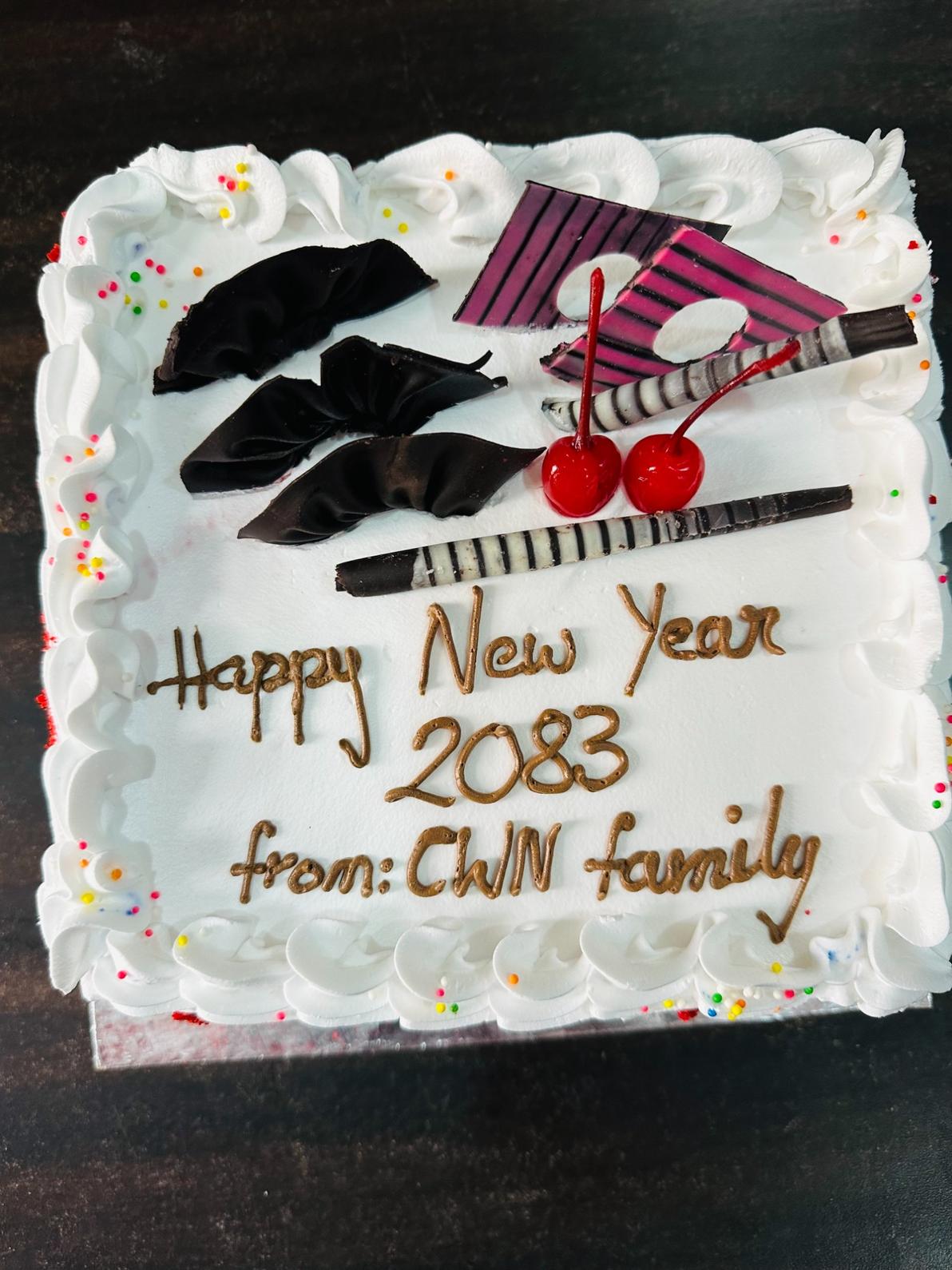
- Christmas and New Year Program
- Martyr’s Day
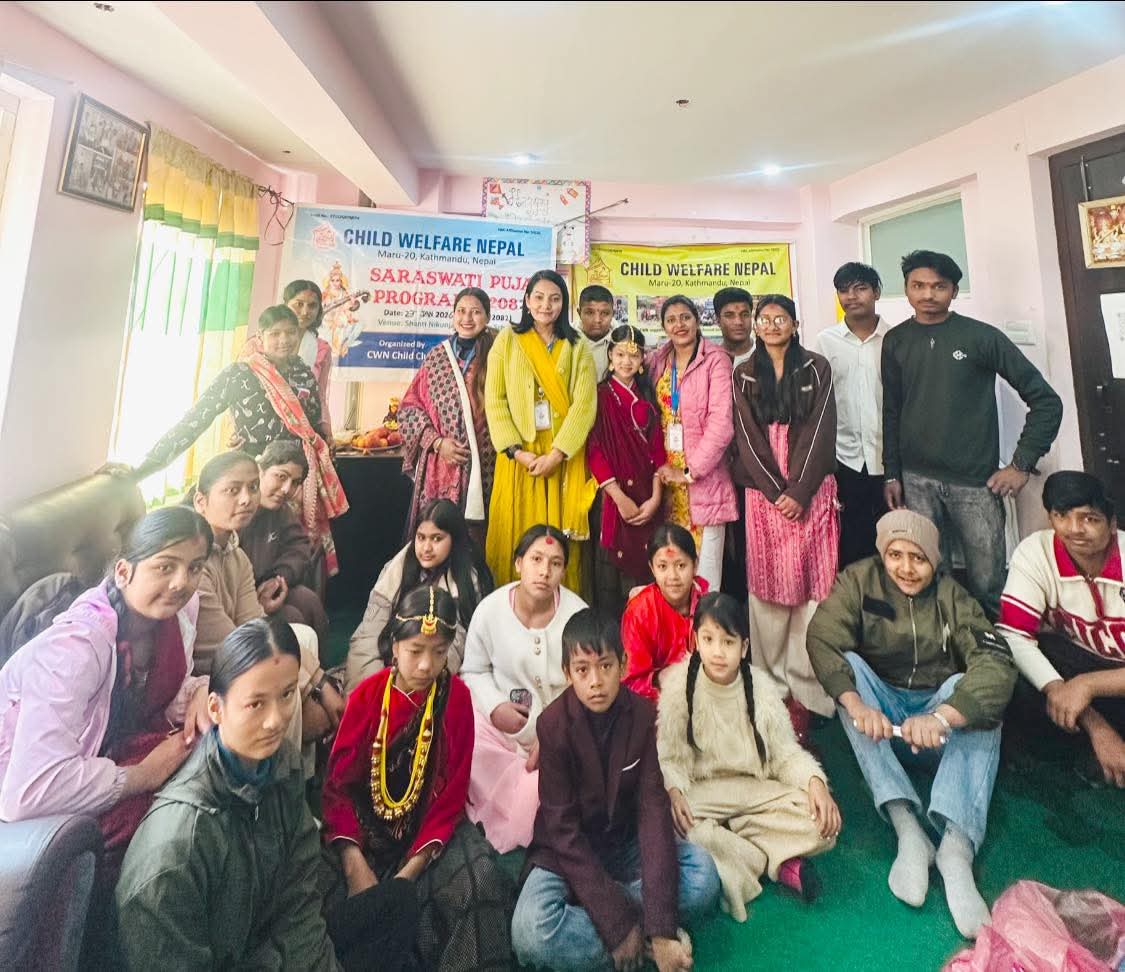
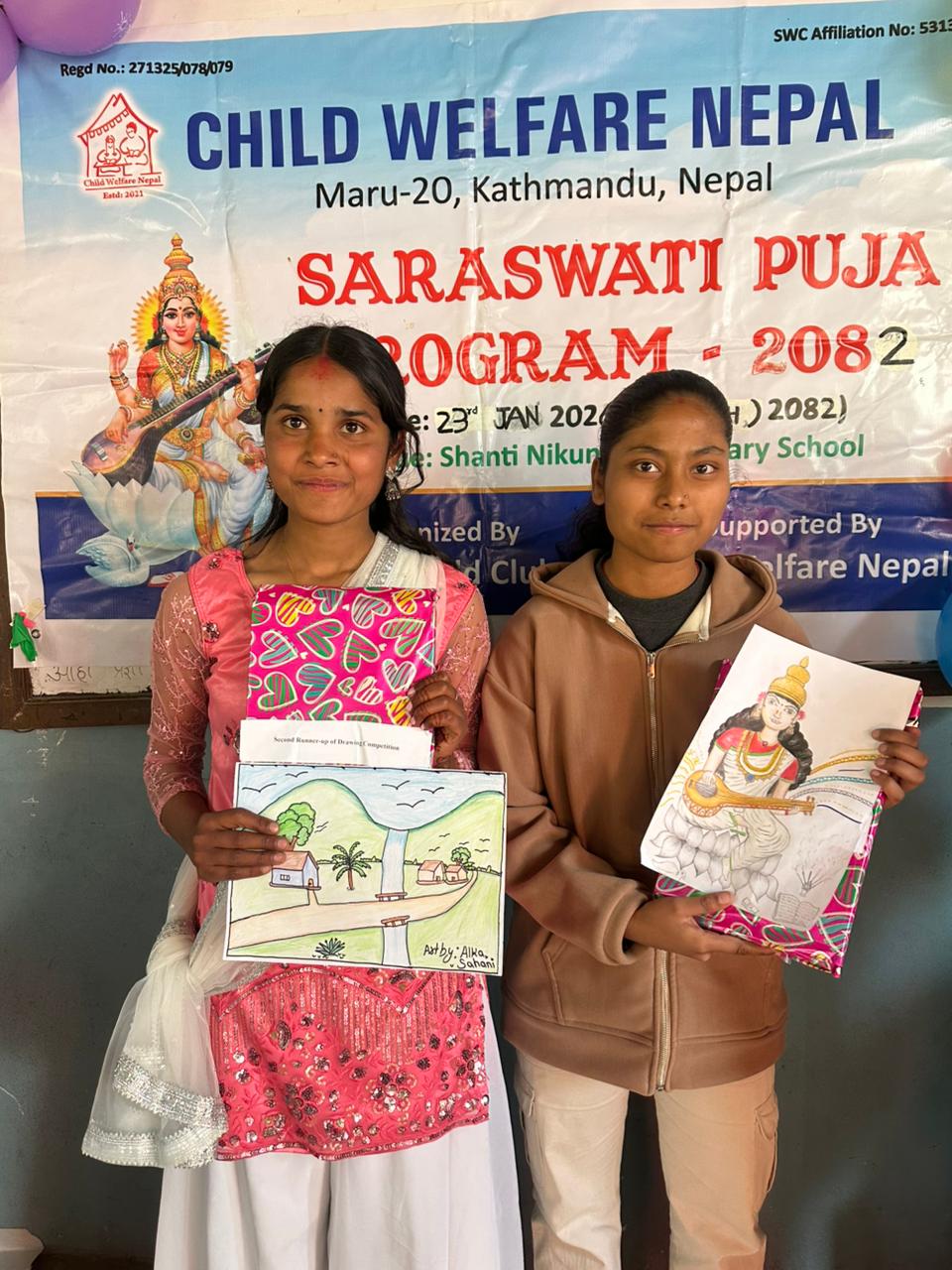
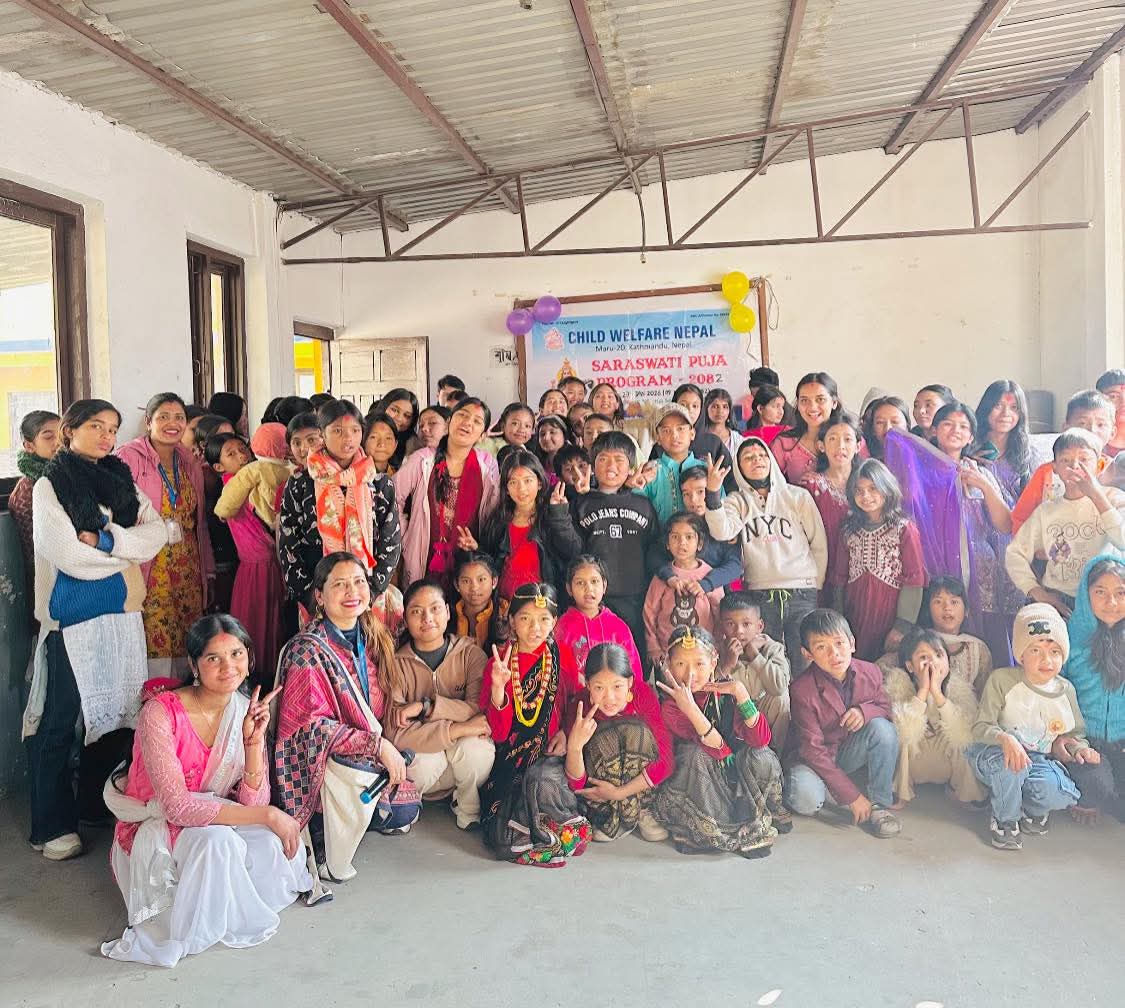
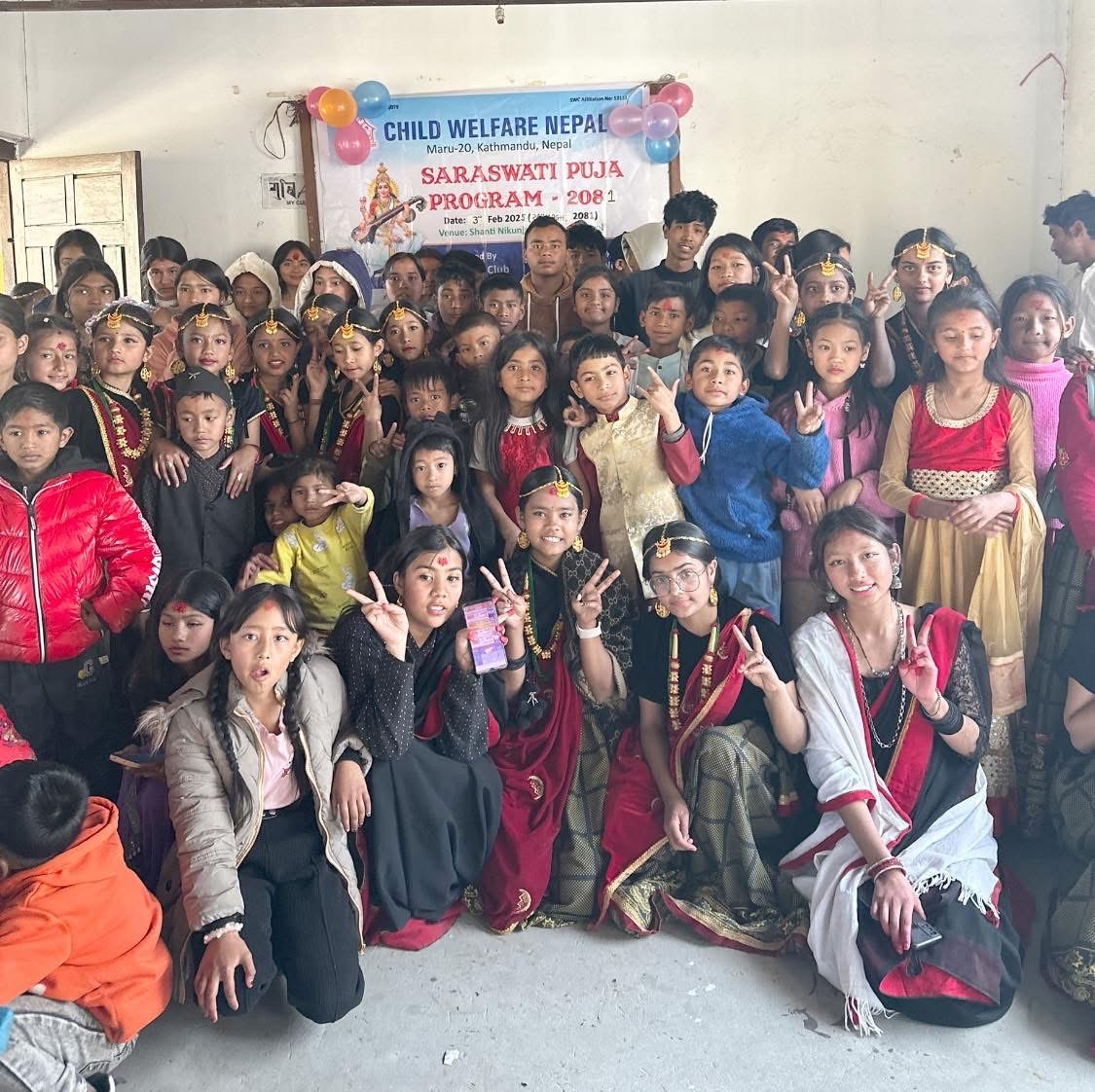
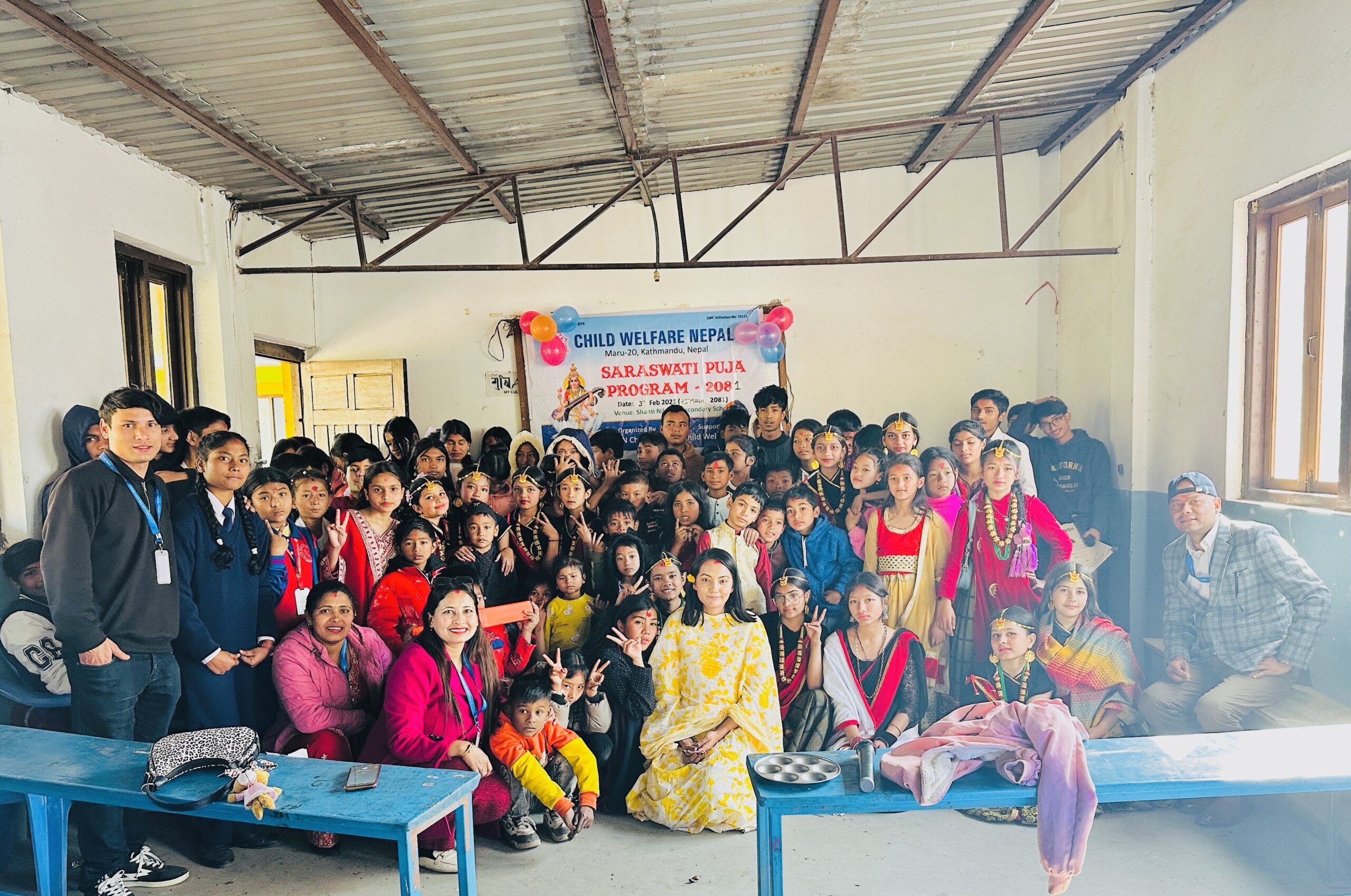
- Saraswati Puja
- Other major events celebrated around the world
Other Activities